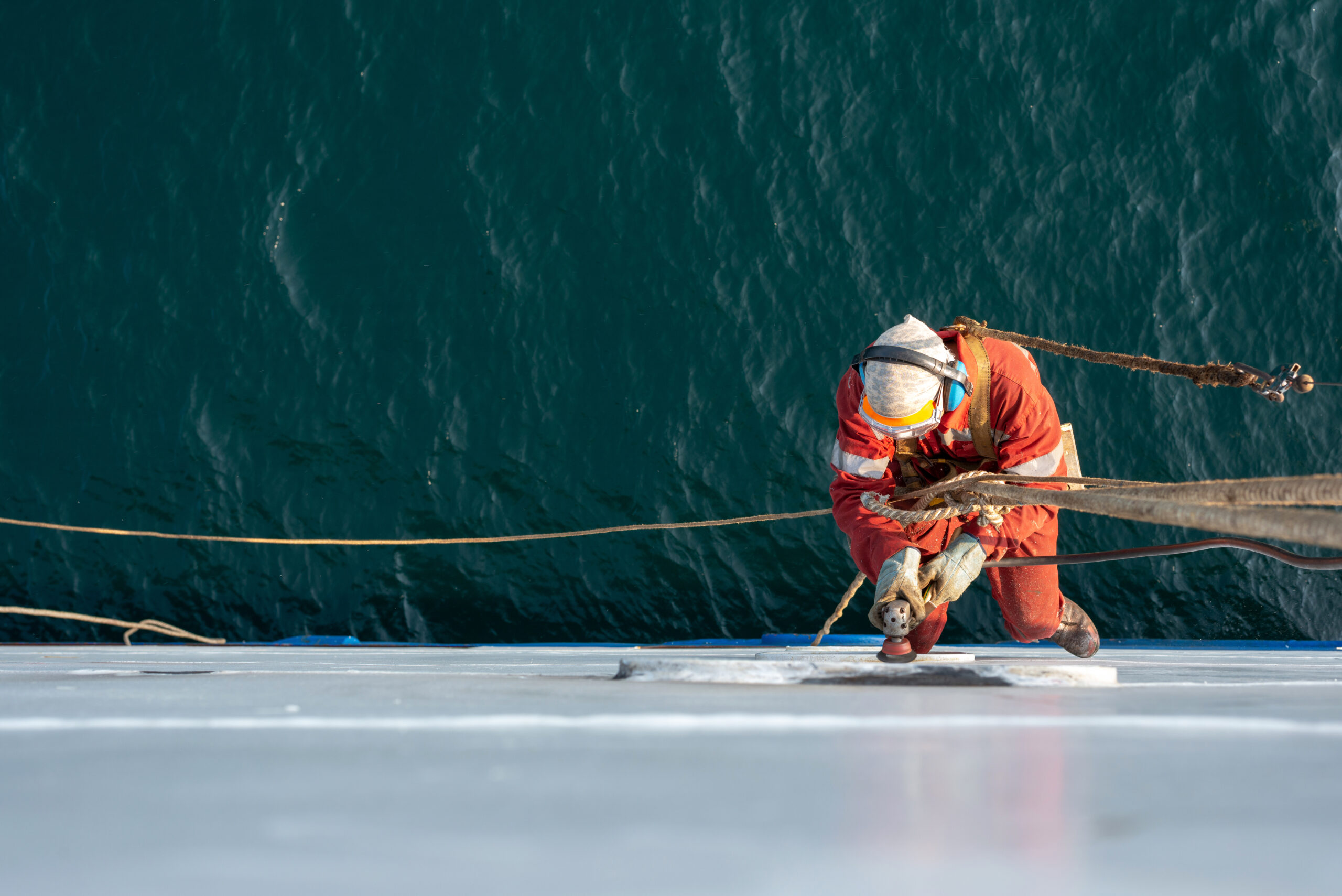
The situation affecting the Strait of Hormuz continues to raise international concern, not only because of its geopolitical and economic implications but also due to the humanitarian consequences faced by seafarers and maritime workers who remain exposed to conditions of risk and uncertainty.
From the perspective of the ethics of human mobility, the reality faced by crew members affected by navigation restrictions and the deterioration of security conditions serves as a reminder that people must remain at the center of every international response. Many of these workers perform essential roles in sustaining global trade, yet they face serious threats to their physical safety, limited access to healthcare, psychosocial challenges resulting from prolonged isolation, and difficulties in maintaining contact with their families.
In light of this situation, it is essential to strengthen a response grounded in comprehensive humanitarian protection. This includes ensuring timely access to medical care, psychosocial support, effective consular assistance, adequate living conditions on board, and, when necessary, safe procedures for medical evacuation, disembarkation, and voluntary repatriation. Protecting maritime workers must be understood as a shared responsibility that transcends economic or strategic interests.
The scale and complexity of this crisis call for renewed cooperation among governments, multilateral organizations, maritime industry stakeholders, and humanitarian agencies. Coordination among international institutions working in the fields of human mobility, international protection, public health, and maritime safety is essential to ensure effective responses centered on human dignity and respect for fundamental rights.
In this context, the Scalabrini International Migration Network (SIMN) reaffirms its commitment to promoting the ethical governance of human mobility by advancing advocacy initiatives, producing evidence-based research, and strengthening human rights-based approaches to protect the most vulnerable migrant populations. SIMN also recognizes the invaluable work of Stella Maris Scalabrinian Catholic Network, whose pastoral, humanitarian, and social presence continues to provide essential support to seafarers and their families during times of particular vulnerability.
Today, more than ever, the international community is called to act with solidarity, shared responsibility, and a humanitarian vision, ensuring that no maritime worker is left behind amid a crisis that challenges our collective capacity to protect life, uphold human dignity, and promote peace.