
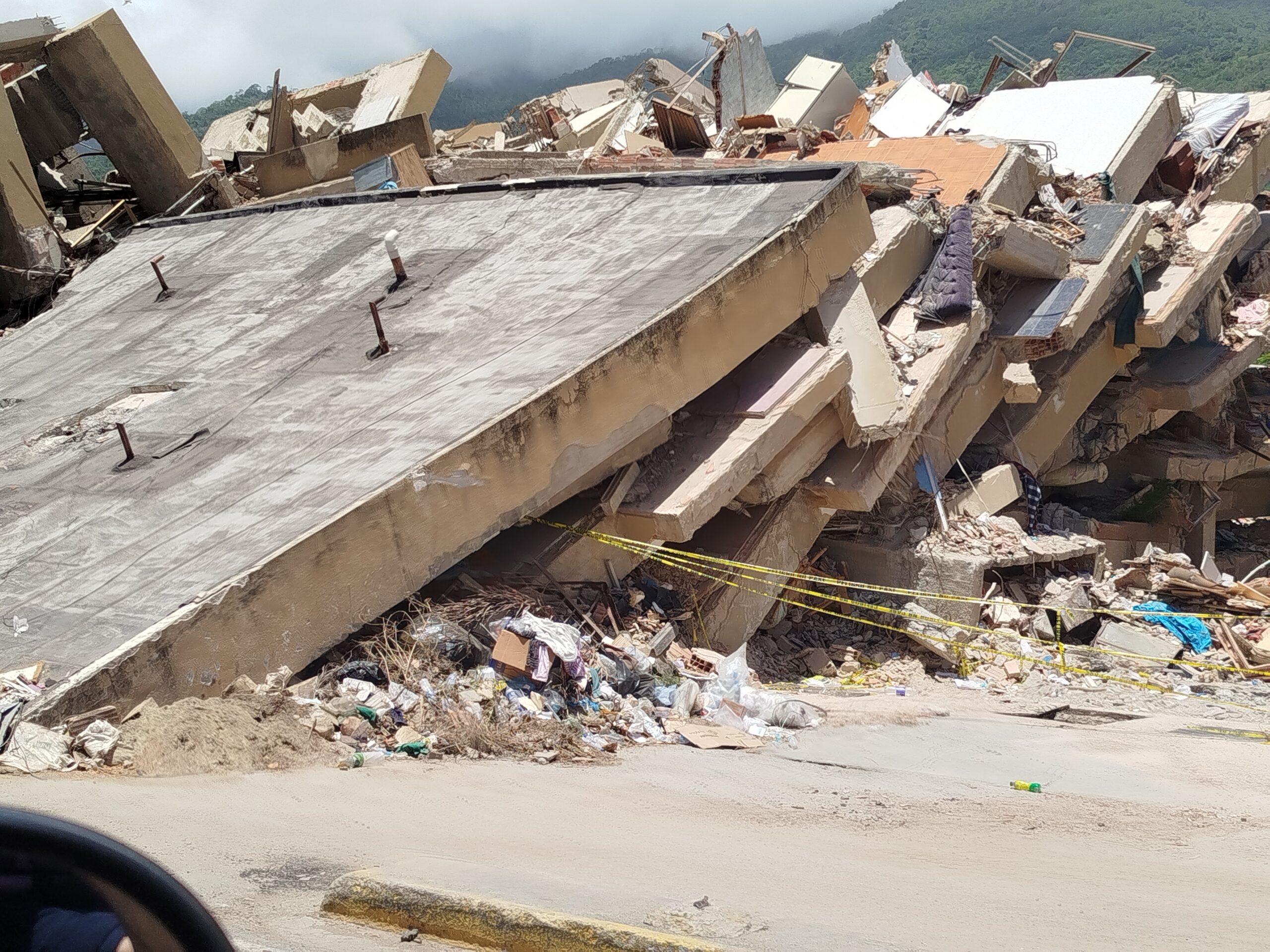
Venezuela, August 18, 2026. — The Scalabrini International Migration Network (SIMN) has begun an assessment and accompaniment visit to some of the areas most affected by the earthquakes that struck Venezuela on June 24, with the aim of gaining a first-hand understanding of the needs of affected communities and contributing to the strengthening of the humanitarian response.
The mission was led by Fr. Francesco, Director of the Scalabrinian Center in Valencia, Venezuela, who visited temporary shelters and communities in some of the hardest-hit coastal and riverside areas, accompanied by Fr. Jonás Fernández, Parish Administrator of San Antonio–Prebo in the city of Valencia.
The visit seeks to assess the most urgent needs of affected families, particularly regarding housing, infrastructure, access to water, sanitation, psychosocial support, and humanitarian assistance. It also aims to identify opportunities to mobilize international resources and support to complement local response and recovery efforts.
A Mission Focused on the People Affected
During visits to Morón, San José de Urama, and various areas of La Guaira, the SIMN team had the opportunity to speak directly with families staying in temporary shelters and communities facing the consequences of the damage caused by the earthquakes.
These encounters provided an opportunity to understand not only the communities’ material needs but also the emotional impact of the emergency, particularly on children, older adults, and families who have lost their homes or have been forced to relocate.
Among the main areas identified during the visit are:
- Living conditions: Assessment of temporary shelters and spaces where affected families are currently staying.
- Water and sanitation: Identification of needs related to access to safe drinking water and adequate sanitary conditions.
- Psychosocial support: Assistance and accompaniment for children, adults, and families dealing with the emotional consequences of the emergency.
- Housing and reconstruction: Assessment of homes requiring repair or reconstruction.
- Humanitarian assistance: Identification of resources and supplies needed to respond to the immediate needs of communities.
La Guaira: One of the Hardest-Hit Areas
In the state of La Guaira, one of the areas most severely affected by the emergency, the team observed significant damage to homes, infrastructure, and community spaces. Several residential structures have suffered severe damage, and some have been identified for controlled demolition.
Important damage was also reported to key infrastructure in the area, as well as to several churches and community spaces that play an important role in the daily lives of local communities.
Morón and San José de Urama
In Morón, in the Juan José Mora municipality of Carabobo state, the team observed damage to roads, homes, and commercial establishments. The earthquakes caused cracks, rockfalls, and landslides in some areas, creating temporary access difficulties and increasing concern among communities about possible aftershocks.
In San José de Urama, the situation is particularly concerning for numerous families whose homes were severely damaged or completely destroyed. The loss of their homes has increased the need for shelter, food, water, and other essential services.
Solidarity and Reconstruction
The visit is part of the commitment of SIMN and the Scalabrinian mission to accompany individuals and communities affected by emergencies and displacement. The presence on the ground will help strengthen the assessment of needs and guide future assistance and reconstruction efforts.
Given the scale of the damage, SIMN calls on the international community, humanitarian organizations, institutions, and people of goodwill to continue showing solidarity with families affected by the earthquakes in Venezuela.
The resources mobilized will support priority needs identified within the communities, including humanitarian assistance, water and sanitation, psychosocial support, home repairs, and reconstruction efforts.
Responding to an emergency of this magnitude requires coordinated and sustained efforts. For SIMN, accompanying affected communities means being present not only during the emergency but also throughout the recovery and reconstruction process, helping families rebuild their homes, regain stability, and restore their hopes and plans for the future.
As part of the humanitarian response efforts, more than 100 tons of food have already been delivered to various affected areas, helping to alleviate the most urgent needs of thousands of families.
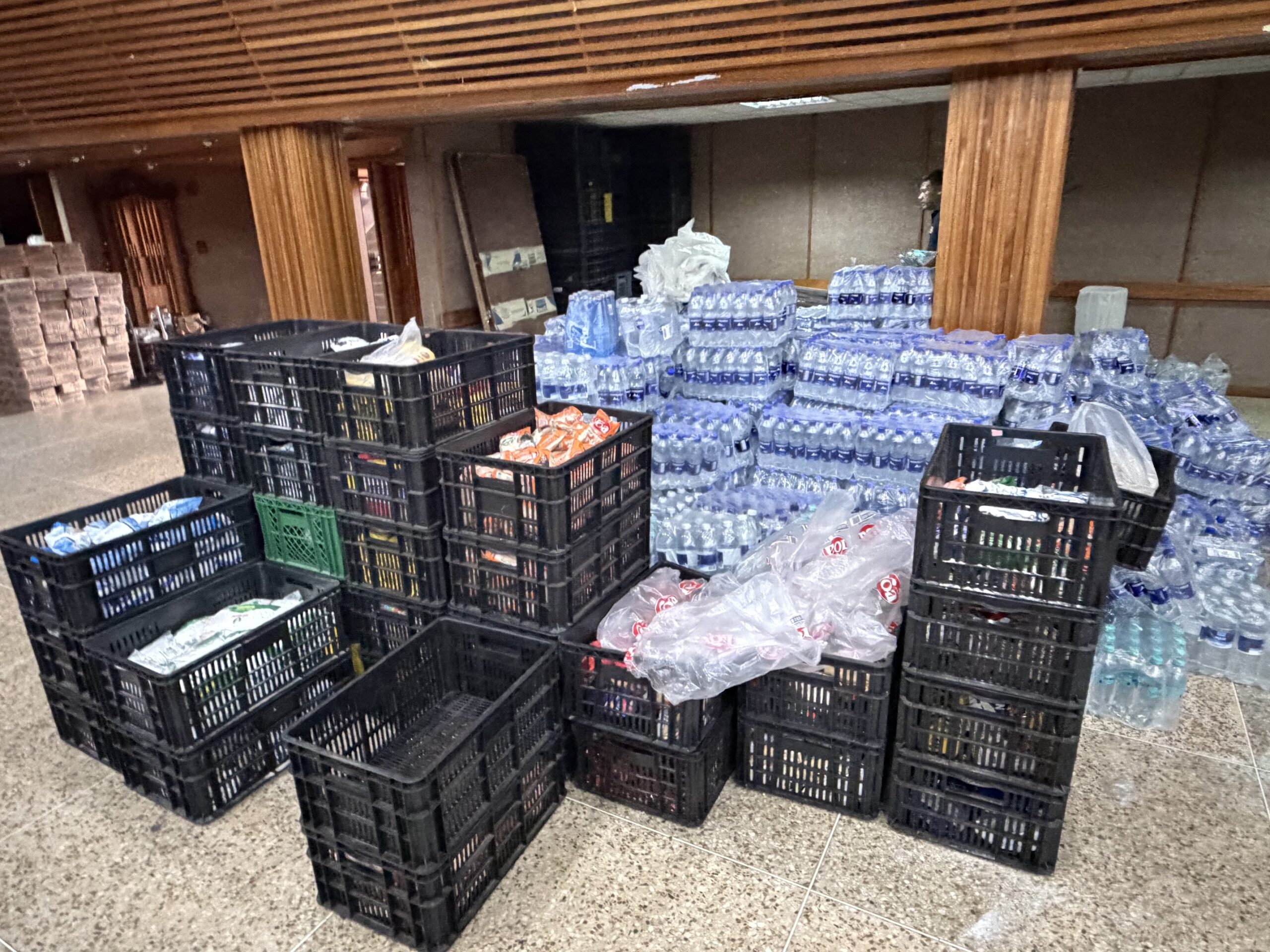
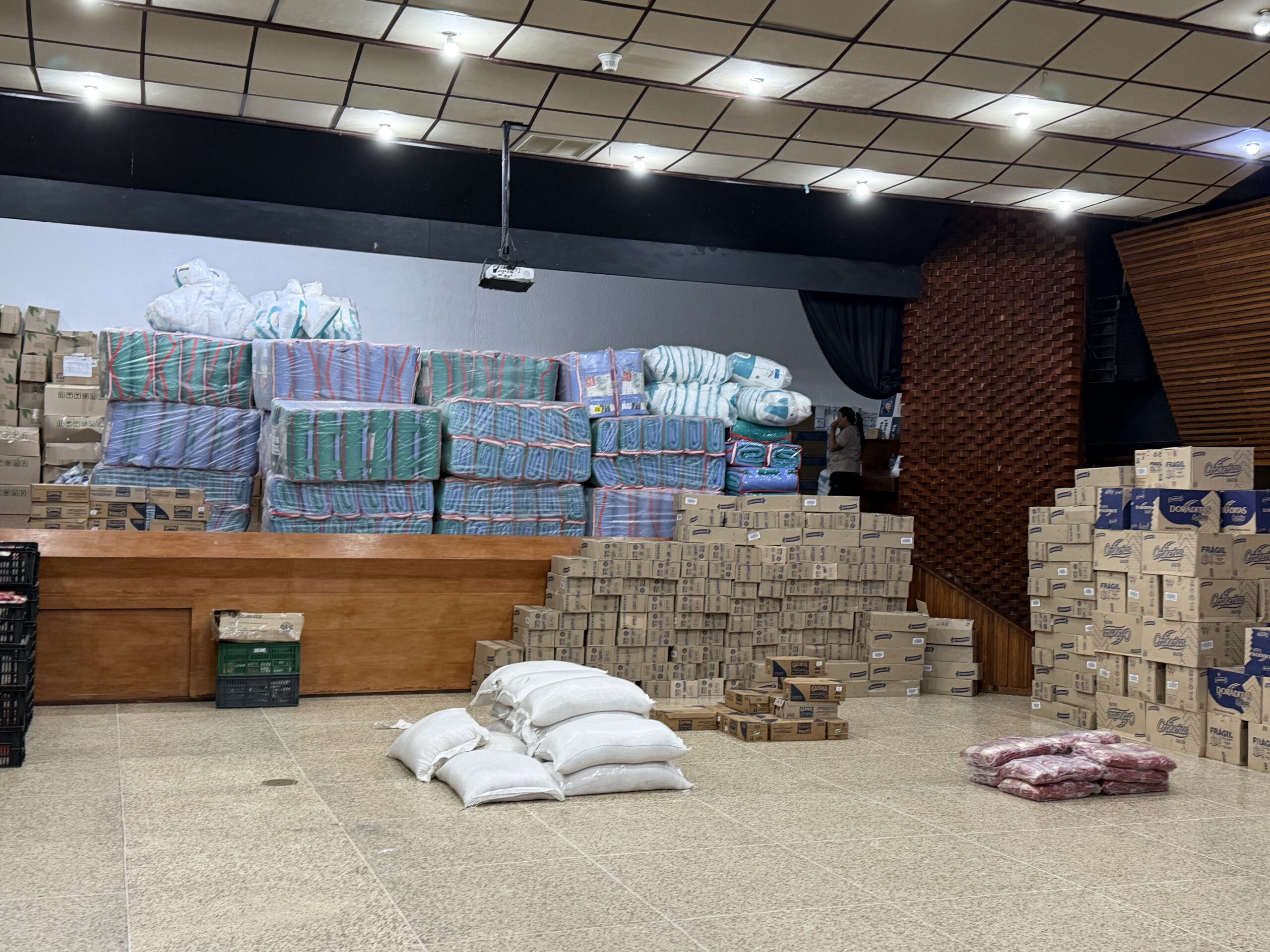
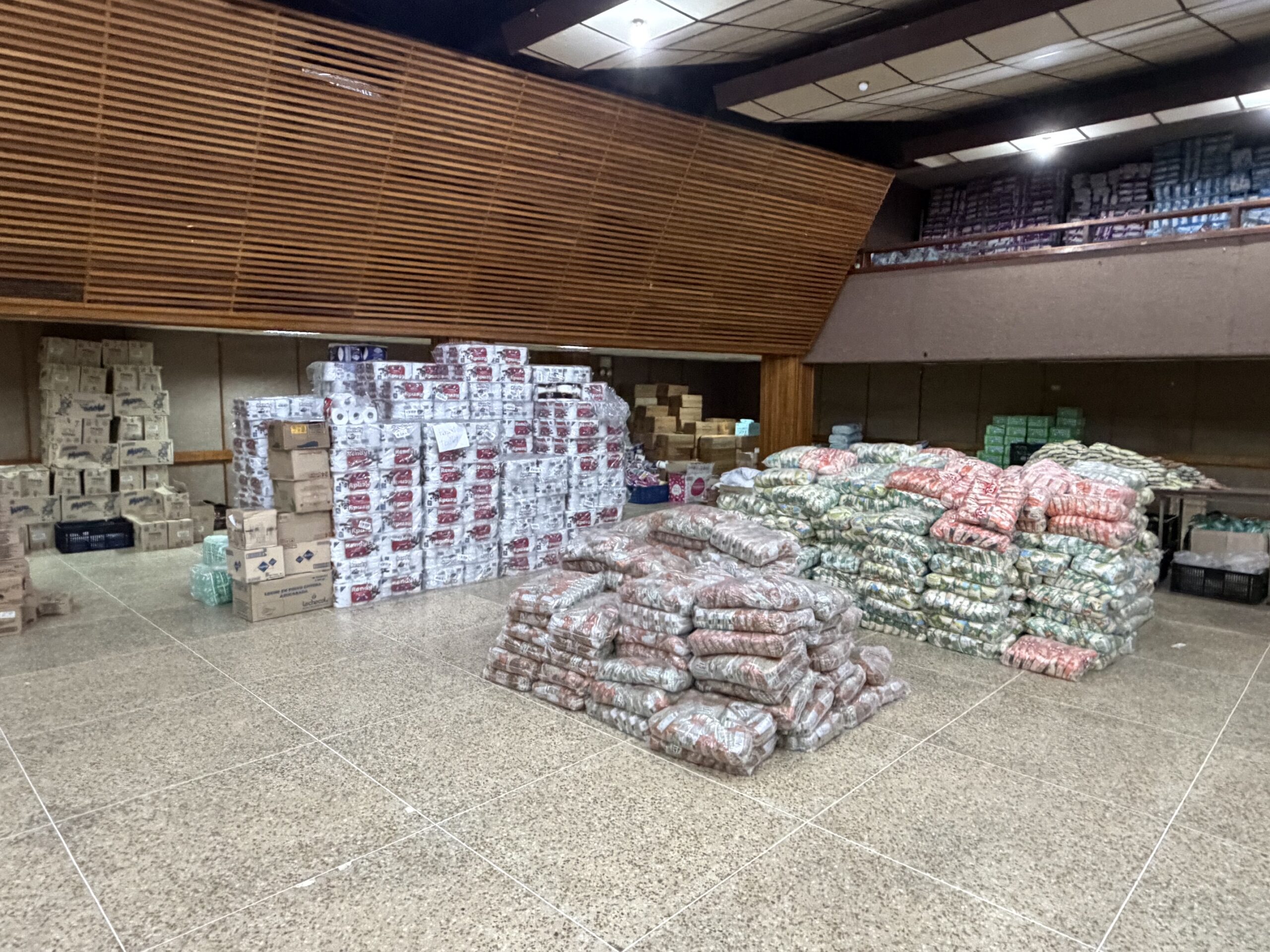
Solidarity can become hope. SIMN will continue accompanying affected communities and working to mobilize resources and partnerships that can help address their most urgent needs.