
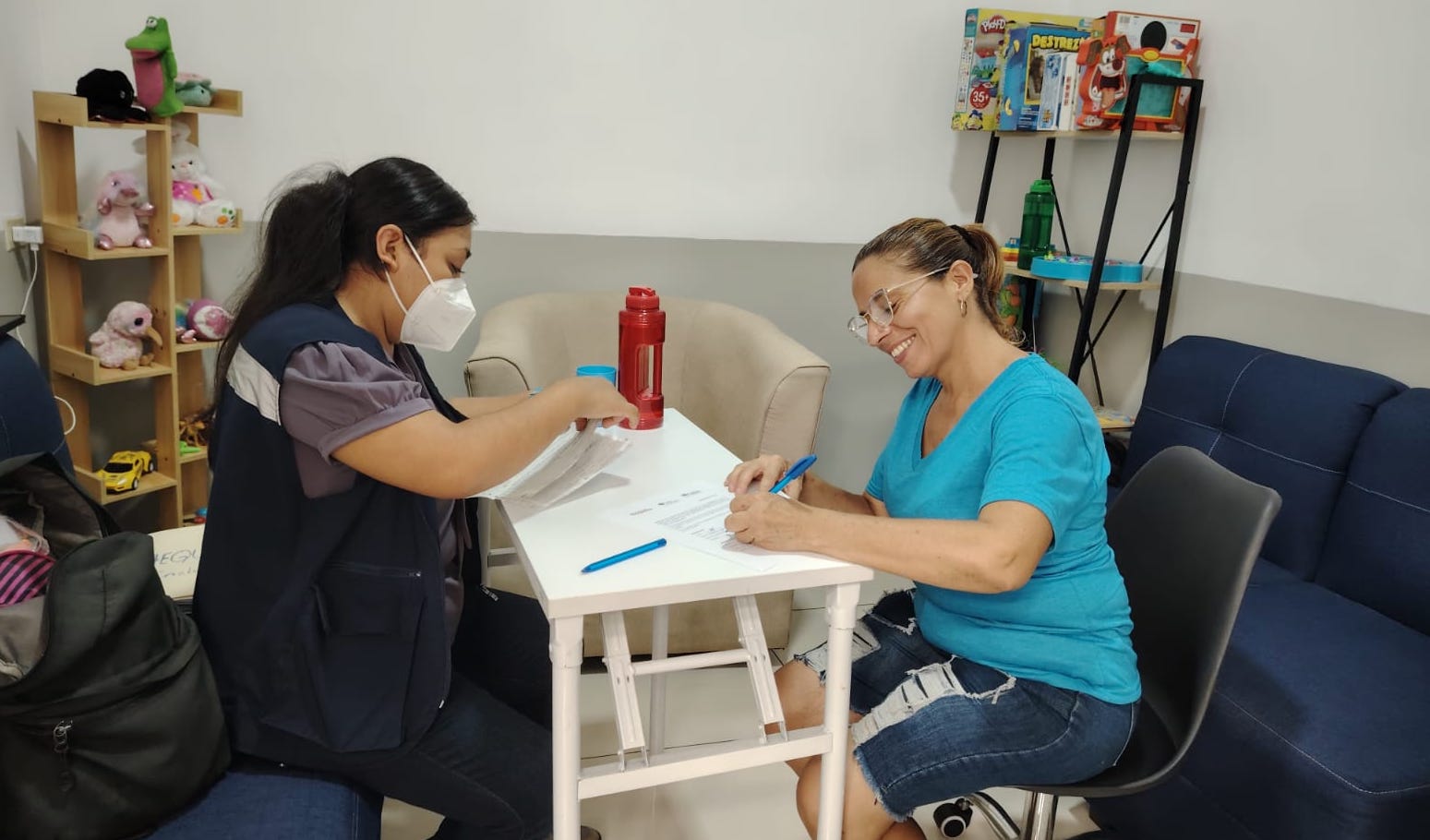
“A Culture of International Protection finds its most authentic expression when human dignity guides the protection of the most vulnerable, strengthens the right to asylum, and promotes solidarity-based and innovative responses to the contemporary challenges of human mobility.”
We live in an era marked by profound uncertainty. Prolonged armed conflicts, humanitarian crises, increasing forced displacement, organized criminal violence, the impacts of climate change, and technological transformations are shaping new and complex realities for millions of migrants, refugees, asylum seekers, stateless persons, and displaced people. Against this backdrop, the central challenge is no longer solely how to manage human mobility, but how to strengthen our collective capacity to effectively protect the dignity and rights of those who are forced to leave their homes.
From the perspective of the Scalabrini International Migration Network (SIMN), responding to these challenges requires moving decisively toward an authentic Culture of International Protection. This approach recognizes every person in human mobility as a rights holder and bearer of an inviolable dignity, which must serve as the foundation of public policies, legal frameworks, and humanitarian action. International protection cannot be limited to the formal recognition of a legal status; it must translate into effective access to rights, social inclusion, family reunification, community participation, and opportunities to rebuild lives with security and hope.
First, protecting those facing the greatest vulnerabilities—especially children and adolescents in contexts of human mobility—reminds us that the ethical legitimacy of any migration governance system is measured by its ability to protect those who face the greatest risks of exclusion and lack of protection. Second, defending the right to asylum reaffirms the importance of one of the fundamental pillars of the international protection system and one of the clearest expressions of international solidarity. Finally, the need to adapt international protection to the new realities of the 21st century highlights the importance of innovation, multilevel cooperation, and risk anticipation in responding to increasingly complex emerging challenges.
In this context, Ethical Governance of Human Mobility proposes placing human dignity, universal human rights, solidarity, shared responsibility, and integral human development at the center of every decision related to human mobility. This vision fully aligns with the Scalabrinian commitment to welcome, protect, promote, and integrate, recognizing in every migrant and refugee not only a need for protection, but also the capacity to contribute to the building of more inclusive, cohesive, and resilient societies.
SIMN calls upon governments, international organizations, academia, faith-based organizations, civil society, and host communities to strengthen a shared response to the current and future challenges of human mobility. Building an authentic Culture of International Protection requires transforming solidarity into action, shared responsibility into concrete policies, and cooperation into sustainable solutions. Only in this way can we ensure that no person is excluded from the protection, dignity, and hope to which they are entitled by virtue of their humanity.
SIMN | September 2026: For a Culture of International Protection that places the human person at the center of migration governance, strengthens the protection of the most vulnerable, reaffirms the right to asylum, and promotes innovative, solidarity-based, and sustainable responses to the contemporary challenges of human mobility.
PHG/SEPT 2026