
“The emergency does not end when the issue stops making the news.”
Carlos Trapani, Esq., Director of CECODAP, during his presentation on “Child Protection After the Crisis” (October 2026)
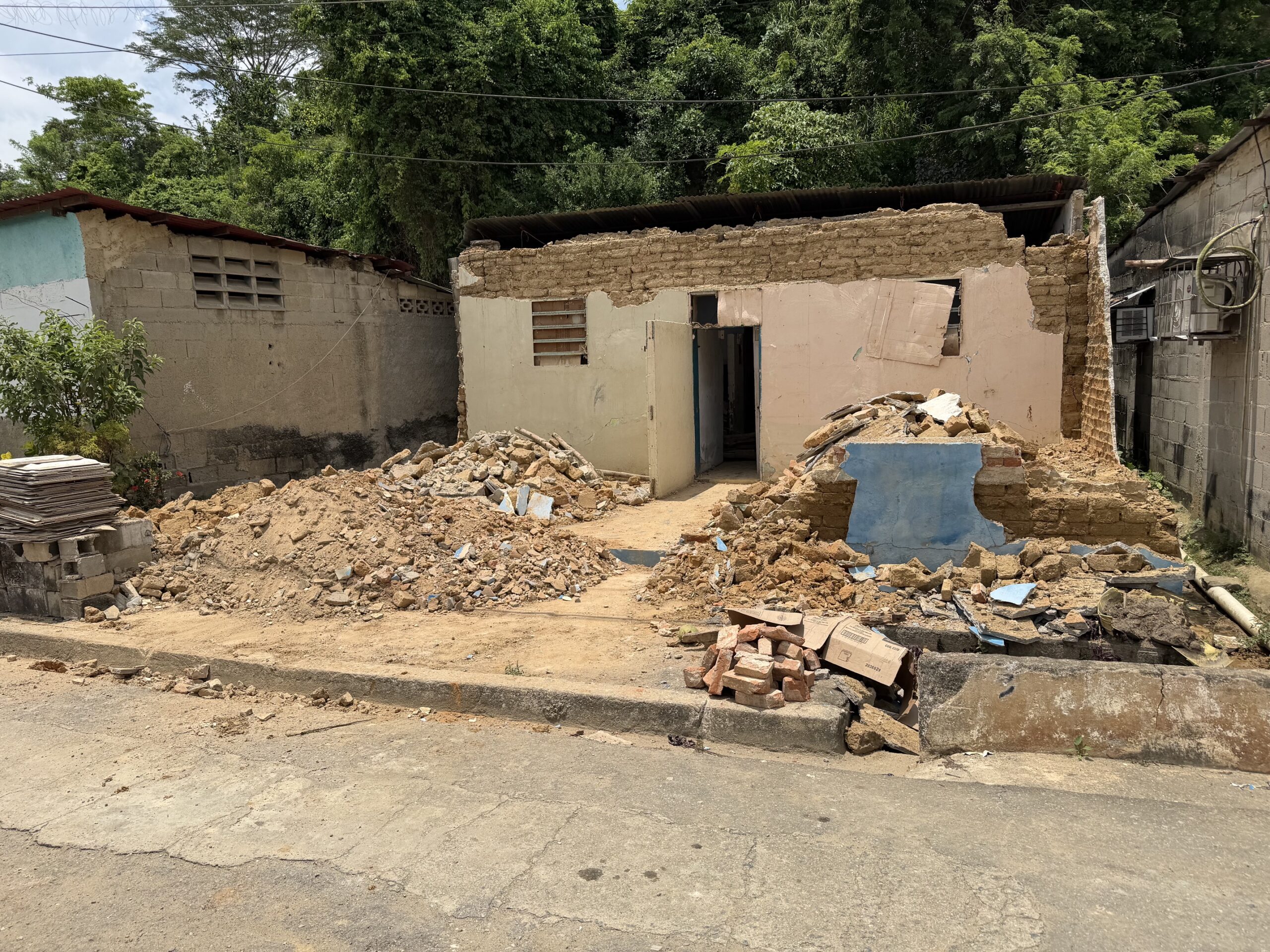
One hundred days have passed since the twin earthquakes struck Venezuela. Following the initial clearing of debris, a complex and uncertain reality persists. In a context already marked by social vulnerability and inadequate public services, we must urgently ask ourselves: How can we protect communities from the invisible aftermath of disaster?
Various analysts and researchers in the psychoeducational field warn of the risk that people may fall into a state of “learned hopelessness,” in which uncertainty clouds their ability to envision a future. In response, physical reconstruction must inevitably go hand in hand with rebuilding the social fabric, fostering dialogue, and promoting reconciliation.
Listening to the Voices in Our Classrooms
As part of the fieldwork we conducted this month at our Obra Social Monsignor Juan Bautista Scalabrini Educational Unit, located in southern Valencia, we sought to understand the feelings and perspectives of approximately 200 students enrolled in technical secondary education. We posed a direct question:
What do you feel we need to “rebuild” or “forgive” among ourselves—in our families, among classmates, or as a country—so that we do not remain trapped in the ruins?
The predominant response in their anonymous written reflections was unequivocal: the need to heal and reconcile. In their view, unless emotional, family, and community wounds are addressed, the country will continue to face the rubble without the real capacity to build something new upon it.
A New, Silent Emergency
The emergency has not ended; it has changed form. We face the challenge of developing innovative and creative responses to address this silent crisis. Thousands of children and adolescents are now struggling to rebuild the “ruins” of everyday life in their homes, schools, family economies, and physical and mental health.
As the work of comprehensive protection rightly reminds us: after a disaster, protection also means restoring the normalcy and dignity of everyday life.
SIMN’s Commitment: Walking Alongside Those in Need
Faithful to the charism of its founder, Saint John Baptist Scalabrini, the Scalabrini International Migration Network (SIMN) does not view humanitarian assistance as merely the distribution of goods and services. Rather, it understands assistance as close, ongoing accompaniment of people in vulnerable situations.
In response to this reality, SIMN has launched a School Scholarship and Comprehensive Intervention Program in vulnerable areas such as Caraballeda and southern Valencia. This program not only eases the financial burden on families but also ensures an active presence throughout the academic year through:
- Monitoring and follow-up: Tracking each scholarship recipient’s school attendance and academic performance at three key points during the educational cycle.
- Direct family support: Providing family accompaniment and home visits to offer psychoeducational support and identify vulnerabilities.
- Preventing school dropout and forced migration: Restoring to children the joy of learning and the confidence that they can build a future in their own homeland.
One hundred days after the earthquake, the cameras have stopped rolling, but our presence on the ground continues. Supporting SIMN’s programs means ensuring that no child is left trapped among the ruins of the present.
Fernando Gaetano Tirro Arias
Valencia, Venezuela